Sustainable environment, free flying and occasional fun.
Joint US/China statement 13/04/2013:
The U.S.A. and the People's Republic of China recognize that the increasing dangers presented by climate change measured against the inadequacy of the global response requires a more… urgent initiative... Both sides consider that the overwhelming scientific consensus regarding climate change constitutes a compelling call to action crucial to having a global impact on climate change.
Similar to my previous post – Home - but very much more spectacular, is this video which is a time lapse sequences of photographs taken by the crew of expeditions 28 & 29 onboard the International Space Station from August to October, 2011. The video is HD, refurbished, smoothed, retimed, denoised, deflickered, cut, etc. The editor, Mike Konig tried to keep the looks of the material as original as possible, avoided adjusting the colors and the like, since, in his opinion, the original footage itself already has an almost surreal and aesthetic visual nature. Most notable is the auroral activity - both Aurora Borealis and Aurora Australis. Lots of lightning storms feature too.
The “video” is actually a time lapse, so it’s a little jerky. The direction of travel is North to South’ish. Starting up on West Coast Canada one passes Vancouver Island and down through San Francisco, Los Angeles, Mexico and then down the West coast of South America before finally hitting sun rise as it nears Antarctica. Watch for the lightning storms over Mexico. Watch in full screen HD!
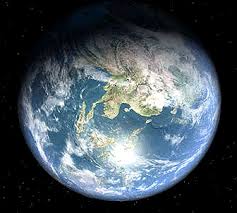 Similar to my previous post – Home - but very much more spectacular, is this video which is a time lapse sequences of photographs taken by the crew of expeditions 28 & 29 onboard the International Space Station from August to October, 2011. The video is HD, refurbished, smoothed, retimed, denoised, deflickered, cut, etc. The editor, Mike Konig tried to keep the looks of the material as original as possible, avoided adjusting the colors and the like, since, in his opinion, the original footage itself already has an almost surreal and aesthetic visual nature. Most notable is the auroral activity - both Aurora Borealis and Aurora Australis. Lots of lightning storms feature too.


